Where titanium earns its cost
Titanium is never the cheapest material on a quote. It is chosen where the alternatives fail, and in chemical processing that happens in a recognisable set of situations.
- Chlor-alkali. Wet chlorine, chlorine dioxide and hot brine destroy stainless steel. Titanium is the established material for cell components, headers and wet-chlorine handling.
- Chlorinated hydrocarbons and organics. Where chloride, temperature and trace water combine, pitting and stress corrosion cracking rule out stainless grades.
- Nitric acid. Titanium performs well across a wide range of concentrations and temperatures where stainless does not.
- Seawater and brackish cooling. Cooling water circuits and condensers in coastal plants.
- Reducing acids. The one place Grade 2 fails and Grade 7 or Grade 12 is considered — see below.
Selecting the grade for chemical duty
| Duty | Usually specified | Reason |
|---|---|---|
| Wet chlorine, chlor-alkali cell service, hypochlorite | Grade 2 | Strong oxidising environment suits titanium's passive film |
| General vessels, columns, piping, shell plate | Grade 2 | The default industrial grade, most available and least costly |
| Severe forming — deep drawn heads, spun components | Grade 1 | Best ductility of the CP grades |
| Dilute reducing acids, hot crevices under gaskets | Grade 7 | Palladium extends immunity into reducing conditions |
| Hot chloride streams and brine at temperature | Grade 12 | Better crevice resistance than Grade 2 when hot |
| High-strength components, shafting, fasteners | Grade 5 | Strength where the load case governs rather than corrosion |
The fuller method is set out in the grade selection guide, and the standards behind them in the standards guide.
Mapping components to material form
Once the grade is settled, each part of the plant draws the material in a different form. Getting this mapped correctly is what lets us quote the whole package instead of four separate enquiries.
| Component | Material form | Page |
|---|---|---|
| Reactor and column shells, dish ends | Plate & sheet | Rolled and welded plate |
| Bespoke girth flanges and heavy flanges | Forgings & rings | Forged and machined |
| Heat exchangers and condensers | Tube & pipe | Seamless or welded tube |
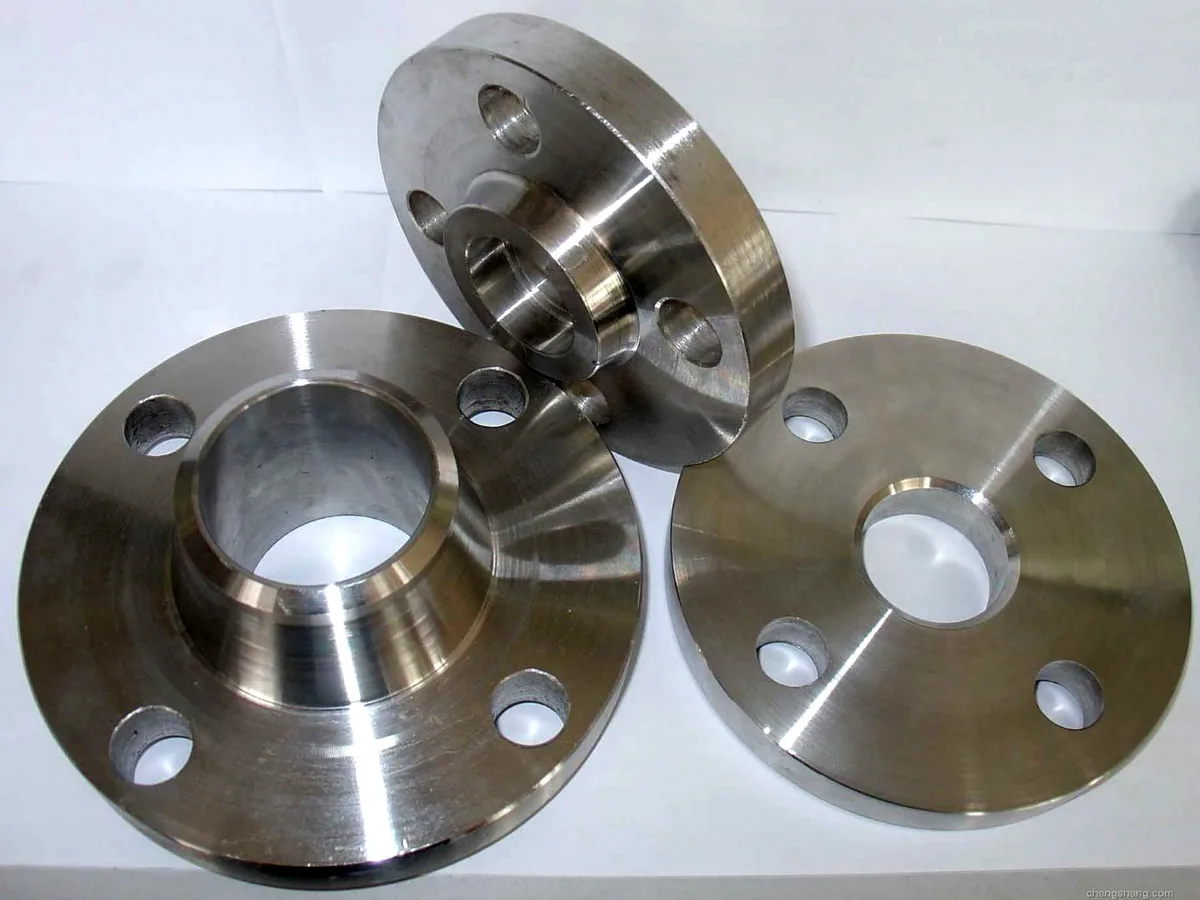
| Nozzles, manways and branch connections | Flanges | Standard or to drawing |
| Bolting for flanged joints and clamps | Fasteners | Bolts, studs, nuts, washers |
| Agitators, distributors, special internals | Machined parts | CNC to drawing |
| Linings, shims and thin-gauge shielding | Coil, foil & strip | Foil and strip |
Documentation for plant projects
Project work usually requires more than a certificate. Typical requirements we coordinate include: mill test certificate with heat and lot traceability, a documented link between each packing list item and its heat number, positive material identification where receiving inspection demands it, and third-party inspection attendance before dispatch where the contract provides for it.
These are arranged before production starts, so the list belongs on the first enquiry rather than the purchase order.
Consolidated multi-form orders
A consolidated enquiry we prepared for a buyer in Türkiye combined Grade 2 plate to ASTM B265, Grade 5 round bar to ASTM B348 and Grade 2 tube to ASTM B338 into a single approximately twenty-tonne package quoted CIF Istanbul — one quotation covering all three forms.
The advantage is administrative as much as financial: where the forms can be consolidated, there is one heat-traceability scheme across the package, one inspection attendance and one export clearance. For plant projects this usually matters more than a marginal saving on any single line item.
How consolidated loads are packed and shipped is described on the packaging and shipping page, and multi-supplier coordination on the OEM and custom supply page.
Describe your medium, concentration, temperature and the components you need — we will advise on grade and quote the package.
WhatsAppSend your specificationRequest a chemical-duty quotation
Tell us what the process stream is and which components you need. Where a specific corrosion question is involved, include it and we will tell you what we can and cannot support.
WhatsApp +86 157 0603 0959 · WhatsApp +86 151 9196 1431 · tockson@163.com