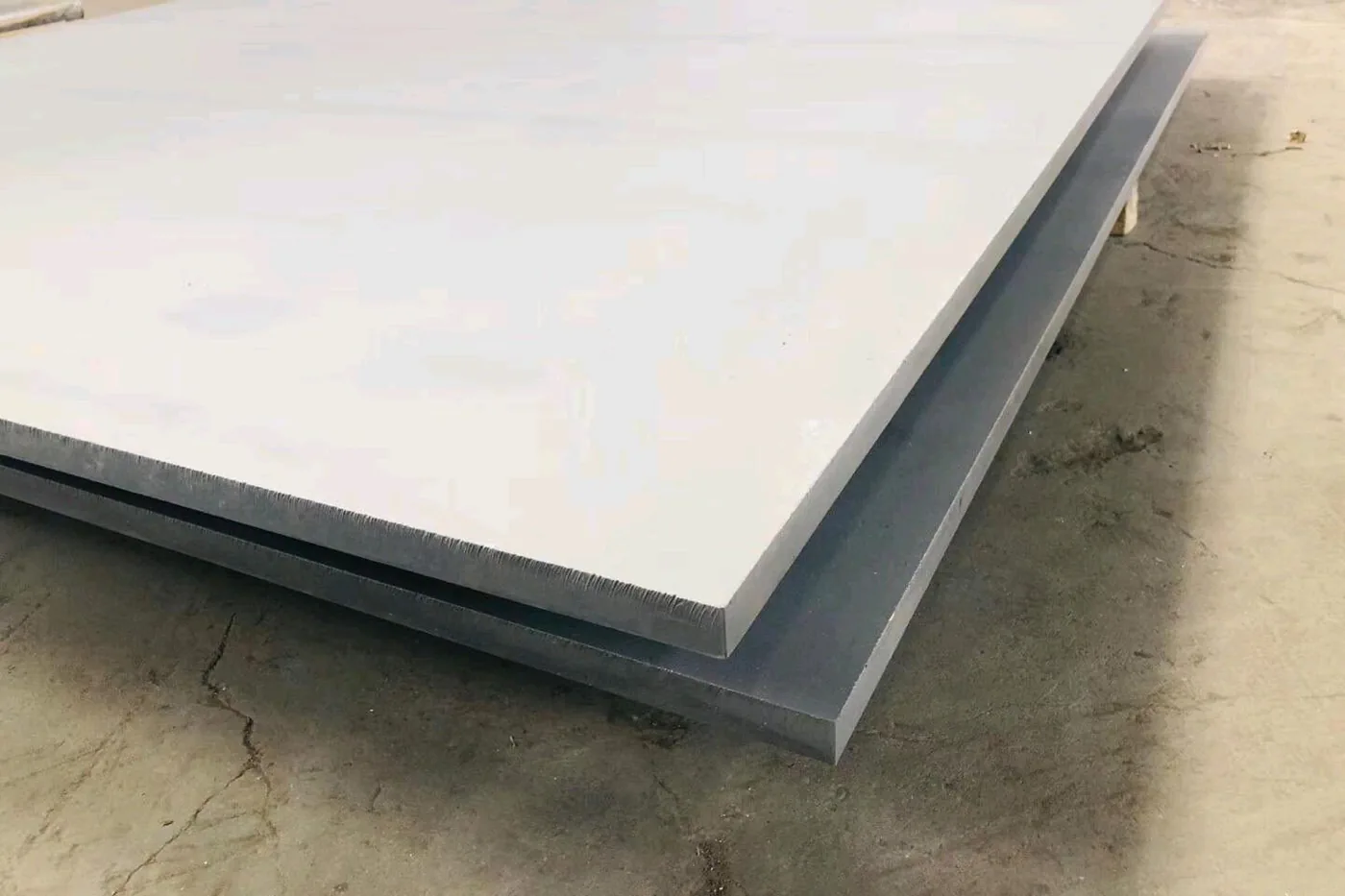
Size vocabulary — getting the order right
The convention is thickness × width × length, stated in millimetres. An enquiry that says “1000 × 2000 sheet” without a thickness cannot be quoted, and one that reverses the order can be quoted wrongly.
| Term | Meaning | Example |
|---|---|---|
| Thickness, t | The dimension across the plate — always stated first | 10 mm |
| Width, W | Across the rolling direction | 1000 mm |
| Length, L | Along the rolling direction | 2000 mm |
| Standard size | Commonly produced size, 1000 × 2000 and 1219 × 3048 being frequent | 10 × 1000 × 2000 mm |
| Cut-to-size | Supplied to your finished dimensions rather than a stock size | 10 × 620 × 880 mm |
Thickness bands and how they change the quotation
| Band | Typical production route | What it means for the buyer |
|---|---|---|
| 0.03 – 0.5 mm foil | Cold rolled, often in coil | See coil, foil and strip rather than the plate page |
| 0.3 – 4.0 mm sheet | Cold rolled | Best surface and flatness, tightest tolerance, higher cost per kilo |
| 4.0 – 60 mm plate | Hot rolled | More economical per kilo, as-rolled surface, looser tolerance |
| Above 60 mm | Hot rolled, longer campaigns | Availability and timing must be confirmed before you plan around it |
Band boundaries vary between mills and product forms. The band you land in determines the standard tolerance class available, which is why thickness should be fixed before tolerance is discussed.
Tolerances — the framework, not the numbers
ASTM B265 sets dimensional tolerances for titanium sheet, strip and plate, covering thickness, width, length, flatness and camber, with different allowances for hot-rolled and cold-rolled material. The intent is that tolerance follows the product route and the thickness.
We deliberately do not reproduce tolerance tables here. Standard text is copyrighted, and more practically, tolerance depends on the edition you are ordering to and on route and thickness. Read the values from the edition you specify.
- State the standard and revision and the tolerance follows automatically.
- State any tighter tolerance separately if your fabrication needs one — tighter than standard usually means extra processing and extra cost.
- Ask for the tolerance when comparing quotes. Two quotes at different tolerance classes are not comparable.
Every standards detail in one place: the titanium standards guide.
Surface terms
| Term | Appearance | Typical use |
|---|---|---|
| As-rolled | Dark mill scale from hot rolling | Structural plate where appearance does not matter |
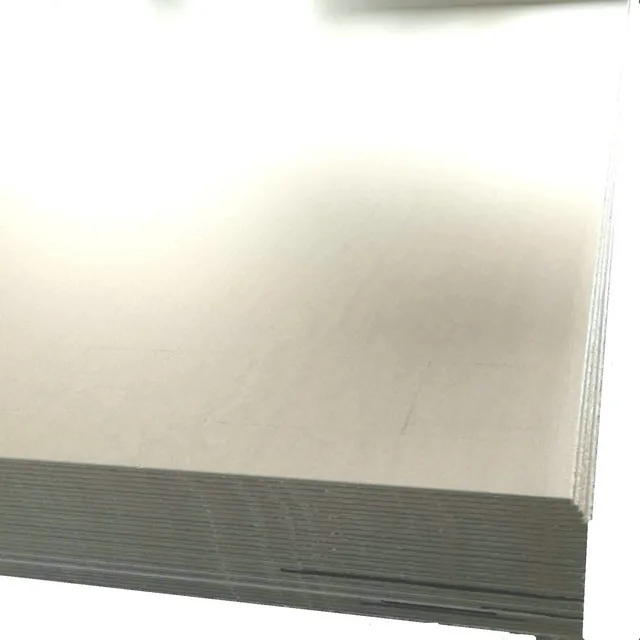
| Pickled | Uniform matte grey after scale removal | General fabrication, welding, most industrial use |
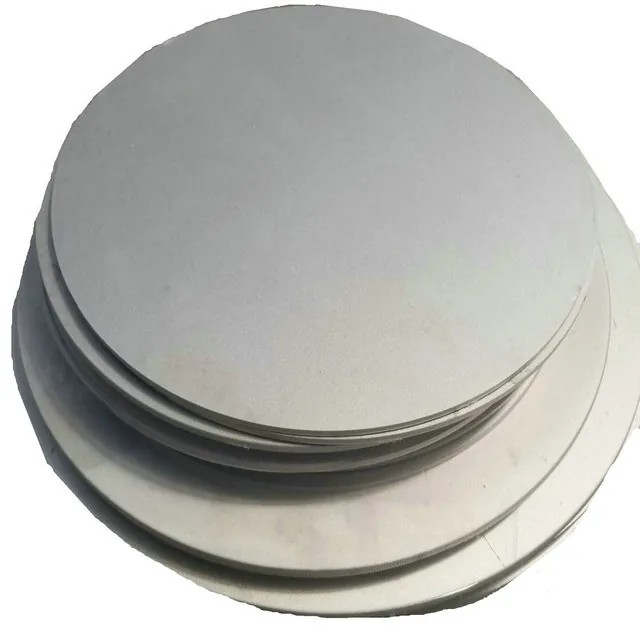
| Sandblasted | Even, slightly roughened | Non-decorative parts, preparation for coating |
| Bright / cold-rolled | Smoother, brighter cold-rolled surface | Thin sheet where surface quality is specified |
| Polished | Refined surface to a stated roughness | Visible components, hygienic service |
Achievable roughness depends on starting surface, grade, thickness and finish requested. State the Ra you require rather than an adjective, and it will be confirmed in the quotation.

Document checklist before you pay
Confirm these before releasing payment, because asking afterwards means waiting for someone to move a file rather than a machine.
- Mill test certificate.Confirm it exists, states the ordered standard and revision, and reports composition and mechanical results for the supplied heat.
- Heat traceability.Confirm heat numbers on the material tie to the certificate and to the packing list.
- Dimensional record.If your receiving inspection requires measured thickness or flatness, ask for it to be recorded before dispatch.
- Certificate type.If your quality system requires a named certificate type, confirm which one is being issued.
- Third-party inspection.If the contract requires it, confirm who attends, to what scope, and that the attendance has actually happened.
The document set is described in detail on the quality and documentation page.
Sample to bulk workflow
- Confirm material, finish and tolerance on a small quantity first.
- Run your actual fabrication operation on it — forming, welding, machining — rather than only inspecting it.
- Freeze the specification, including standard and revision, before placing the bulk order.
- Ask for the same supply route and finish on the bulk order as on the sample, since changing route changes tolerance and surface.
What we need to quote
Plate enquiry checklist
GRADE:        ______        STANDARD: B265 / SB265 / ______  rev ______
THICKNESS:    ______ mm     tolerance requirement ______
WIDTH:        ______ mm
LENGTH:       ______ mm     fixed length / random
SURFACE:      pickled / bright / polished (Ra ______) / as-rolled
CONDITION:    annealed / as-rolled
CUTTING:      full size / cut to ______ mm
QUANTITY:     ______ pieces / ______ kg
DOCUMENTS:    MTC / EN 10204 ______ / third-party ______
DESTINATION:  country ______  port ______  Incoterm ______
Send the checklist to WhatsApp with your drawing attached and we will quote the cut size you actually need, not the stock size.
WhatsAppSend your specificationRequest a plate quotation
A complete specification quotes faster and more accurately than a partial one. If any line is undecided, mark it ‘advise’ rather than leaving it blank.
WhatsApp +86 157 0603 0959 · WhatsApp +86 151 9196 1431 · tockson@163.com