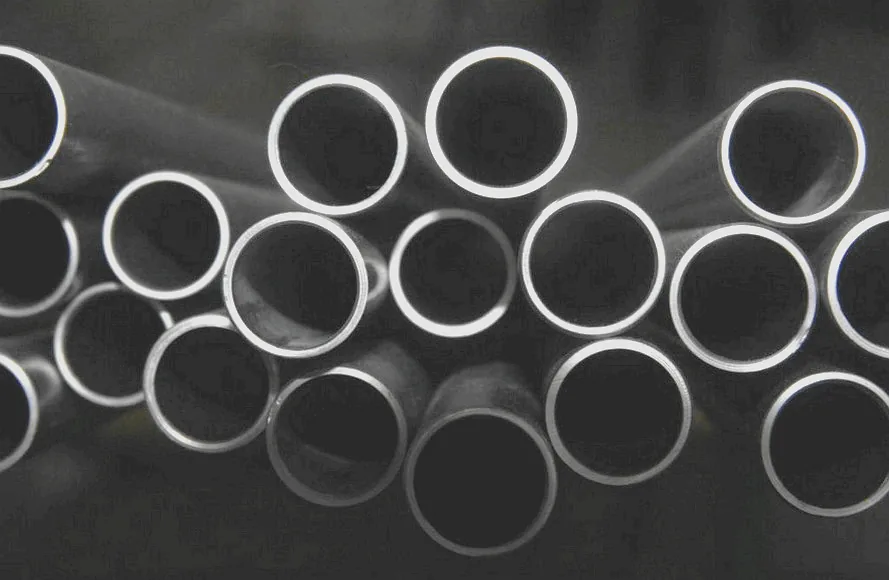
What Grade 12 is
Grade 12 (UNS R53400, Ti-0.3Mo-0.8Ni) is a near-alpha alloy. The additions are small and cheap by comparison with palladium, which is why Grade 12 is described as the economical answer to problems that Grade 7 solves expensively — provided the problem is chloride rather than reducing acid.
Mechanically it sits between Grade 2 and Grade 5: 483 MPa minimum tensile against 345 and 895 respectively. That extra strength is often welcome but is rarely the reason for specifying it.
Hot chloride and crevice corrosion — the rationale
Titanium is exceptionally good in seawater at ambient temperature; Grade 2 has decades of service in seawater cooling. Raise the temperature, though, and put the metal in a crevice — under a gasket, a tube-to-tubesheet joint, a lap or a deposit — and the chemistry inside that crevice drifts: oxygen is consumed, the solution acidifies and concentrates chloride. Above roughly 70–80 °C depending on the geometry and water chemistry, Grade 2 can begin to suffer localised attack there.
The molybdenum and nickel in Grade 12 improve resistance specifically in that regime: hot, concentrated, low-pH chloride solution. It is not a high-temperature alloy in the superalloy sense; it is a crevice-corrosion upgrade for chloride service at temperature.
Chemical composition
| Element | Requirement |
|---|---|
| Molybdenum, Mo | 0.2 – 0.4 |
| Nickel, Ni | 0.6 – 0.9 |
| Nitrogen, N | 0.03 max |
| Carbon, C | 0.08 max |
| Hydrogen, H | 0.015 max |
| Iron, Fe | 0.30 max |
| Oxygen, O | 0.25 max |
| Titanium, Ti | Balance |
Composition limits and mechanical values below are the published requirements of the referenced ASTM specification. They state what the standard requires — they are not the measured result of any particular heat or lot, and they are not a guarantee of what a given order will return.
Mechanical properties
| Property | Minimum value |
|---|---|
| Tensile strength | 483 MPa (70 ksi) |
| Yield strength, 0.2% offset | 345 MPa (50 ksi) |
| Elongation in 2 in / 50 mm | 18% |
| Typical density | 4.51 g/cm³ (reference value) |
Grade 12 vs Grade 2
| Condition | Grade 2 | Grade 12 |
|---|---|---|
| Ambient seawater and seawater cooling | Correct, most economical | No benefit |
| Seawater above about 70–80 °C | Crevice attack possible | The intended service |
| Hot brine and evaporator duty | Marginal in crevices | Standard specification |
| Reducing acids | Attacked | Not the answer — consider Grade 7 |
| Strength requirement above 345 MPa minimum tensile | Not sufficient | 483 MPa available |
| Cost sensitivity with no crevice risk | Preferred | Premium not justified |
Where the problem is reducing acid rather than hot chloride, the comparison that applies is Grade 7, covered on the Grade 7 page. The full decision method is set out in the grade selection guide.
Where Grade 12 fits
Brine heaters
Hot, concentrated chloride and crevice-prone tube joints — the defining duty.
Desalination →
Evaporators
MSF and MED evaporator tube bundles at elevated temperature.
Desalination →
Heat exchangers
Tube where the hot side is saline or brackish.
Heat exchanger tubes →
Chemical plant
Hot chloride process streams and brines.
Chemical processing →
Forms we quote
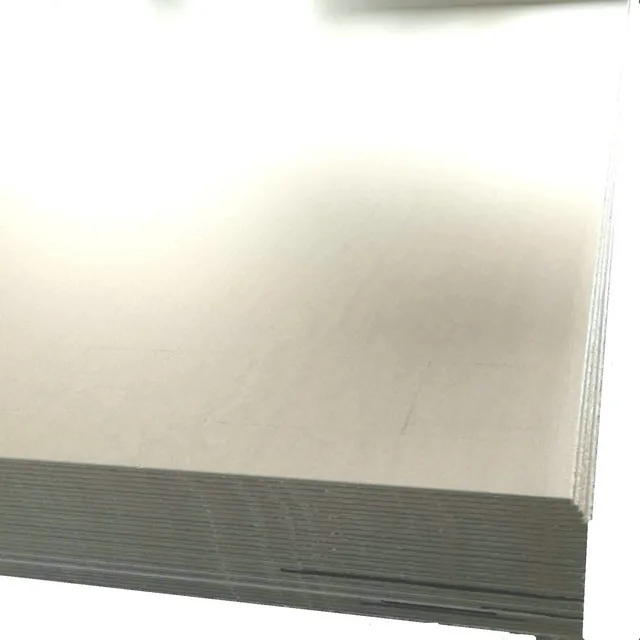
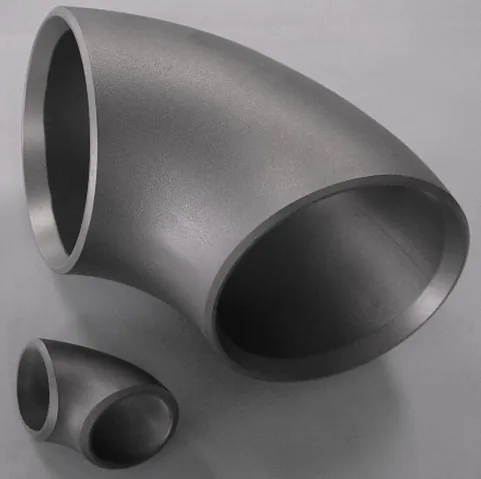
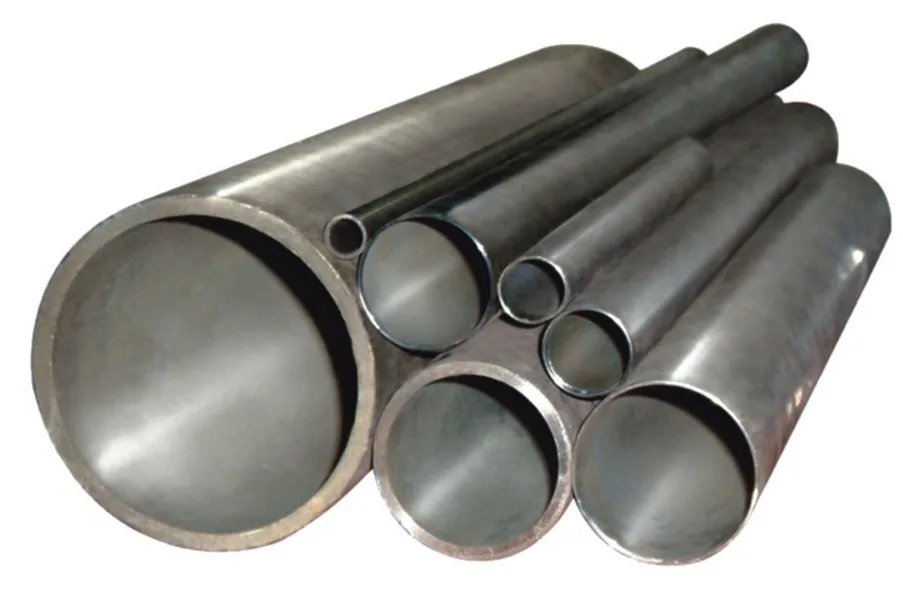
Grade 12 is quoted principally in plate to ASTM B265 and seamless tube to ASTM B338. Supply and size availability for either form is confirmed on inquiry rather than published, because Grade 12 is produced in smaller volume than Grade 2 and lead time depends on whether the size is being rolled.
Availability, size range and lead time for a specific grade and form are confirmed in the quotation — please contact us for confirmation.
Hot chloride duty? Tell us the temperature, chloride level and whether the design contains crevices — we will say whether Grade 2 or Grade 12 is usually specified.
WhatsAppSend your specificationRequest Grade 12 titanium
Send form, dimensions, quantity, design temperature and a description of the environment. The temperature and the crevice geometry are what decide whether Grade 12 is worth specifying.
WhatsApp +86 157 0603 0959 · WhatsApp +86 151 9196 1431 · tockson@163.com