What Grade 2 is
Grade 2 (UNS R50400) is unalloyed titanium, frequently called CP titanium or commercially pure titanium. In the Chinese GB system it corresponds to TA2, and the frequently quoted German Werkstoff number is 3.7035. Those cross-references are useful when reading an older drawing, but they are approximate equivalences — the composition windows are not identical — so an order should always be placed against one named standard and revision.
Grade 2 sits in the middle of the CP range. It has about 45% more minimum tensile strength than Grade 1 for four percentage points of elongation, which is why it is specified so widely. That breadth of specification, rather than any datasheet number, is what generally drives its availability and pricing. Availability, size range and lead time are confirmed on inquiry.
Chemical composition
| Element | Limit |
|---|---|
| Nitrogen, N | 0.03 |
| Carbon, C | 0.08 |
| Hydrogen, H | 0.015 |
| Iron, Fe | 0.30 |
| Oxygen, O | 0.25 |
| Residual elements, each | 0.1 |
| Residual elements, total | 0.4 |
| Titanium, Ti | Balance |
Composition limits and mechanical values below are the published requirements of the referenced ASTM specification. They state what the standard requires — they are not the measured result of any particular heat or lot, and they are not a guarantee of what a given order will return.
Mechanical properties
| Property | Minimum value |
|---|---|
| Tensile strength | 345 MPa (50 ksi) |
| Yield strength, 0.2% offset | 275 MPa (40 ksi) |
| Elongation in 2 in / 50 mm | 20% |
| Reduction of area (bar, ASTM B348) | 30% |
| Typical density | 4.51 g/cm³ (reference value) |
| Modulus of elasticity, typical | approx. 105 GPa (reference value) |
Modulus and density are reference figures quoted in textbooks and engineering handbooks, not specification minimums. Design values should always come from the code you are designing to.
Why most industrial orders are Grade 2
- The corrosion is already there. Titanium resists seawater, wet chlorine, chlorinated solutions and most oxidising environments because of its oxide film, which forms whether the grade is CP or alloyed. Paying for Gr5 buys strength, not corrosion life, in those media.
- It welds with normal discipline. Grade 2 is welded with matching filler under proper shielding and cleanliness, and welded joints reach high joint efficiency without post-weld heat treatment in most services.
- It is available everywhere. Being the largest-volume grade means more sizes, more starting material and shorter production time — which usually shows up as both price and lead time.
- It costs less. No alloying additions to buy and no heat treatment to reach the specified condition: the annealed state is the standard supply condition.
Available forms and size ranges
| Product form | Typical range | Page |
|---|---|---|
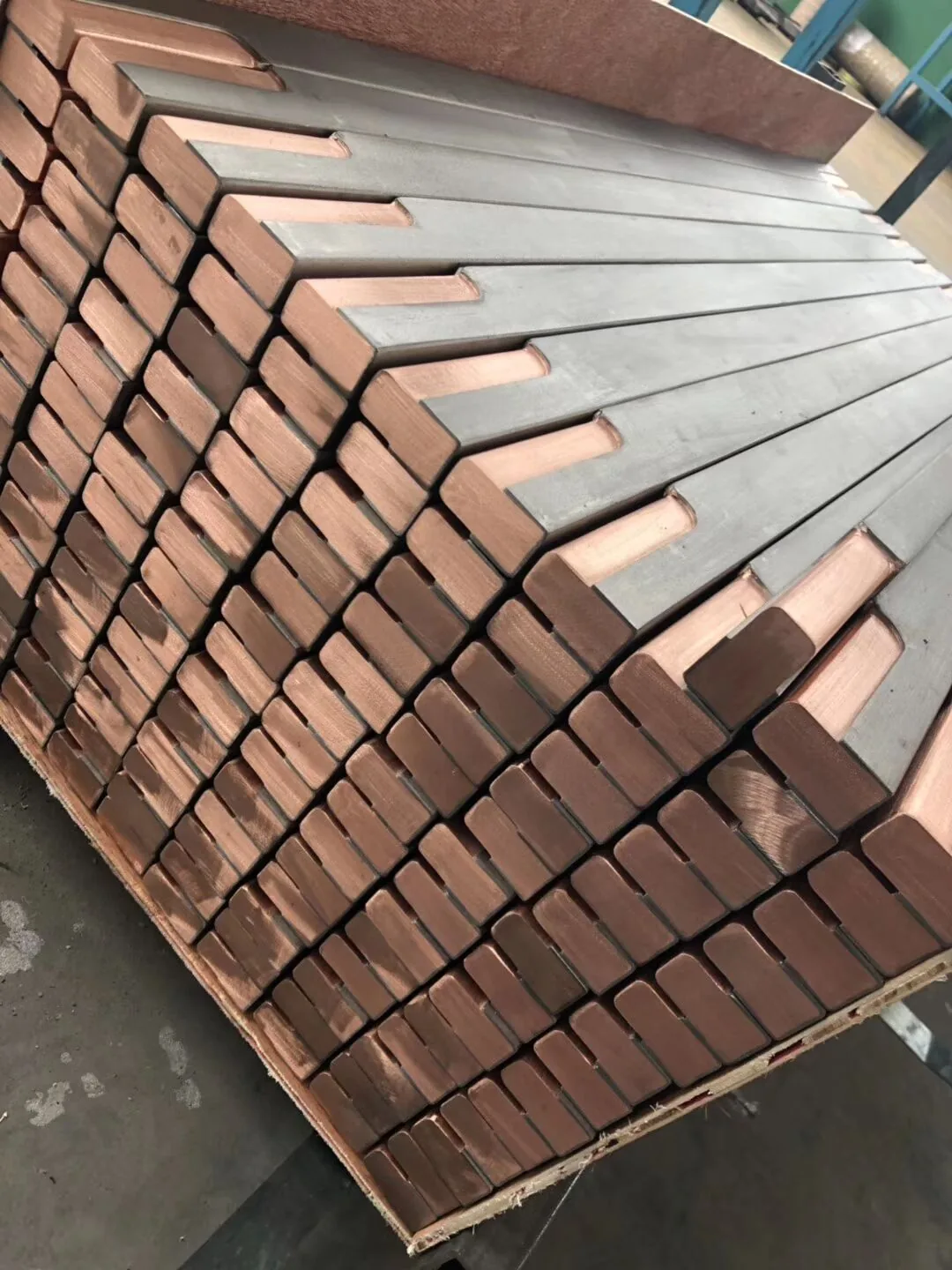
| Plate & sheet | 0.3 – 60 mm thick | Plate & sheet |
| Bar & rod | φ3 – φ350 mm | Bar & rod |
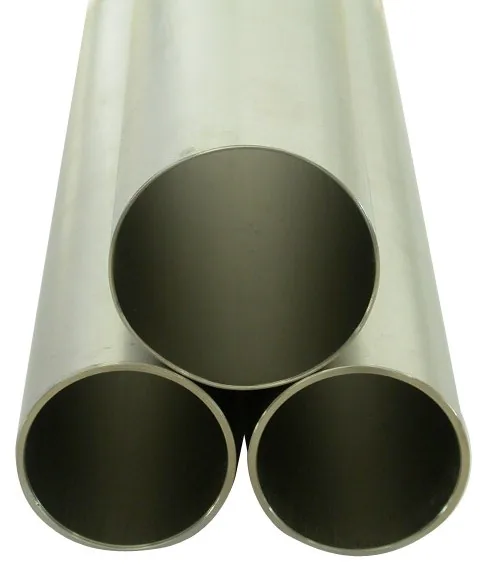
| Tube & pipe | Seamless φ3 – φ219 mm; welded φ16 – φ325 mm | Tube & pipe |
| Wire | φ0.1 – φ8.0 mm | Wire |
| Forgings & rings | to drawing | Forgings |
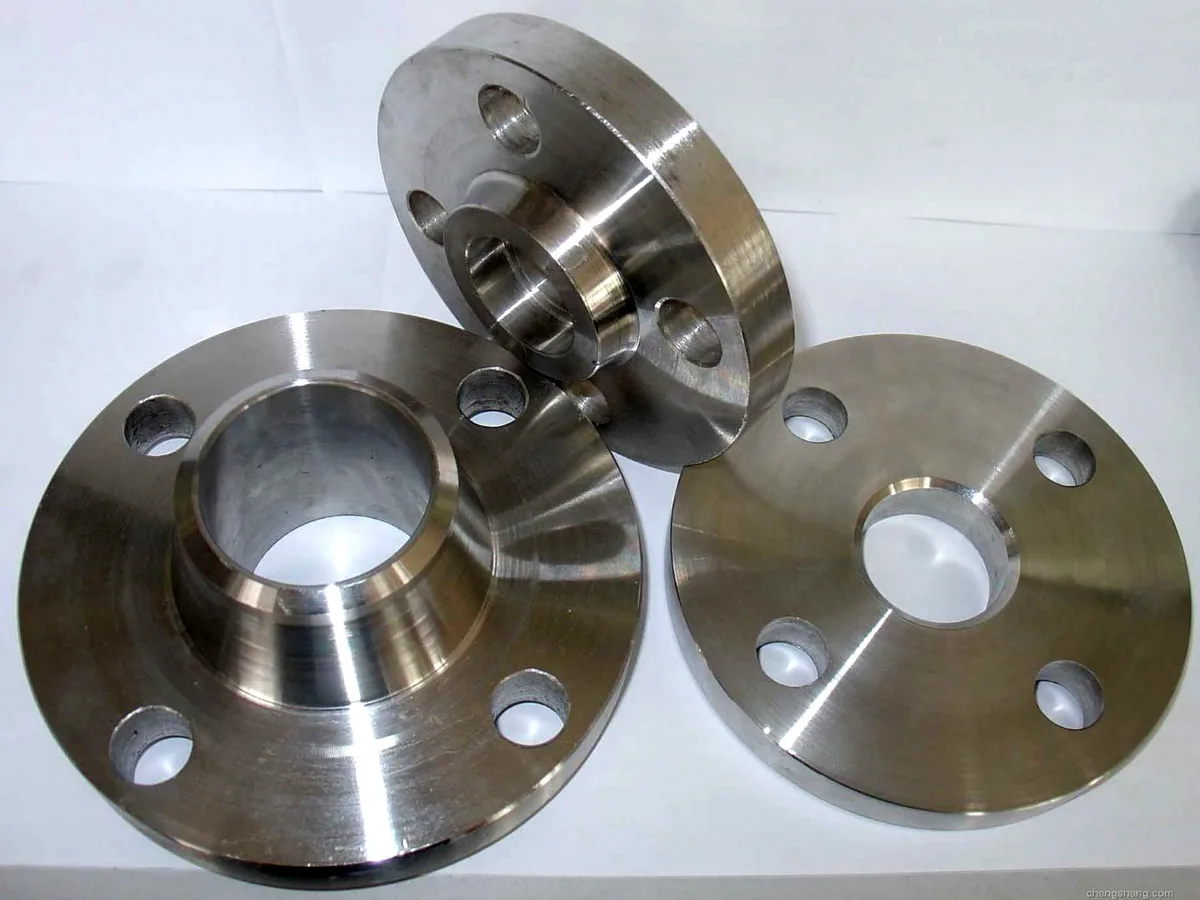
| Flanges | standard and non-standard sizes | Flanges |
| Fasteners | bolts, screws, nuts, threaded rod | Fasteners |
| Machined parts | to drawing | Machined parts |
| Coil, foil & strip | 0.03 – 0.5 mm foil; strip and width on request | Coil & foil |
Availability, size range and lead time for a specific grade and form are confirmed in the quotation — please contact us for confirmation.
Grade 2 compared with its usual alternatives
Three comparisons cover almost every question we receive about Grade 2: against Grade 5 when the design is strength-limited, against Grade 12 when the duty is hot chloride, and against 316L stainless when the buyer is deciding whether titanium is worth specifying at all.
Strength: see the Grade 2 vs Grade 5 comparison. Hot brine: see Grade 12 titanium. Reducing acids: see Grade 7 titanium.
Where Grade 2 is used
Heat exchangers
Condenser and heat-exchanger tube, tube sheet and shell plate.
Heat exchanger tubes →
Desalination
Evaporator and brine-heater tube in MSF and MED plant.
Desalination →
Chemical processing
Reactor shells, columns, linings and piping.
Chemical processing →
Marine & seawater
Seawater piping, platform fittings and fabricated assemblies.
Marine service →
Standards cross-reference
| System | Designation | Note |
|---|---|---|
| UNS | R50400 | Used on North American drawings and material certifications |
| ASTM / ASME | Grade 2 | Identified within each product standard: B265, B338, B348, B381, B863 |
| GB/T | TA2 | Closest common Chinese designation; windows differ slightly from ASTM |
| Werkstoff (DIN) | 3.7035 | Frequently quoted in European legacy drawings |
These are approximate cross-references used widely in trade. Confirm equivalence against your own specification before substituting one designation for another on a coded job.
Most enquiries that reach us are Grade 2. Send your form, dimensions and quantity and we will quote against the standard you specify.
WhatsAppSend your specificationRequest Grade 2 titanium
The fastest quote comes from a complete specification: product form, grade, standard and revision, dimensions, quantity, application and destination port. If anything is undecided, say so and we will advise rather than guess.
WhatsApp +86 157 0603 0959 · WhatsApp +86 151 9196 1431 · tockson@163.com