What Grade 5 is
Grade 5 (UNS R56400, Ti-6Al-4V, TC4) is an alpha-beta alloy: 5.5–6.75% aluminium stabilises the alpha phase and 3.5–4.5% vanadium stabilises the beta phase, leaving a two-phase microstructure that responds to heat treatment. That heat-treatment response is the whole reason Grade 5 exists: it reaches strengths a CP grade cannot, and unlike CP grades it can be aged to higher strength after working.
It is not intrinsically better than Grade 2. It costs more per kilo, it machines less easily, it is less ductile and it sacrifices nothing in most corrosion duties but nothing gained either. It is specified when the design is strength or weight limited, not when the design is corrosion limited.
Chemical composition
| Element | Requirement |
|---|---|
| Aluminium, Al | 5.50 – 6.75 |
| Vanadium, V | 3.50 – 4.50 |
| Iron, Fe | 0.40 max |
| Oxygen, O | 0.20 max |
| Carbon, C | 0.08 max |
| Nitrogen, N | 0.05 max |
| Hydrogen, H | 0.015 max |
| Yttrium, Y | 0.005 max |
| Titanium, Ti | Balance |
Composition limits and mechanical values below are the published requirements of the referenced ASTM specification. They state what the standard requires — they are not the measured result of any particular heat or lot, and they are not a guarantee of what a given order will return.
Mechanical properties
| Property | Minimum value |
|---|---|
| Tensile strength | 895 MPa (130 ksi) |
| Yield strength, 0.2% offset | 828 MPa (120 ksi) |
| Elongation in 2 in / 50 mm | 10% |
| Reduction of area (bar, ASTM B348) | 25% |
| Typical density | 4.43 g/cm³ (reference value) |
| Typical modulus of elasticity | approx. 114 GPa (reference value) |
Solution-treated and aged (STA) material reaches substantially higher strength than the annealed minimums shown here, with reduced ductility. STA availability for a given product form and size is confirmed on inquiry.
Annealed vs solution-treated and aged
Two conditions dominate Grade 5 orders, and confusing them is the most common cause of a rejected quote. The condition has to be stated on the enquiry.
| Condition | What it means | When it is chosen |
|---|---|---|
| Annealed (M) | Mill annealed to a stable, softened condition | General machining stock, most fabrication, the default when nothing else is specified |
| Solution treated and aged (STA) | Solution treated above the beta transus onset, quenched, then aged to precipitate fine alpha | Where the design cannot meet load or fatigue targets with annealed minimums |
| Stress relieved | Heated below the ageing range to remove residual stress | Machined parts where dimensional stability during further machining matters |
Which conditions can be supplied in your size and form, and the certificate that accompanies them, is confirmed in the quotation.
Product forms and size ranges
| Form | Typical range | Page |
|---|---|---|
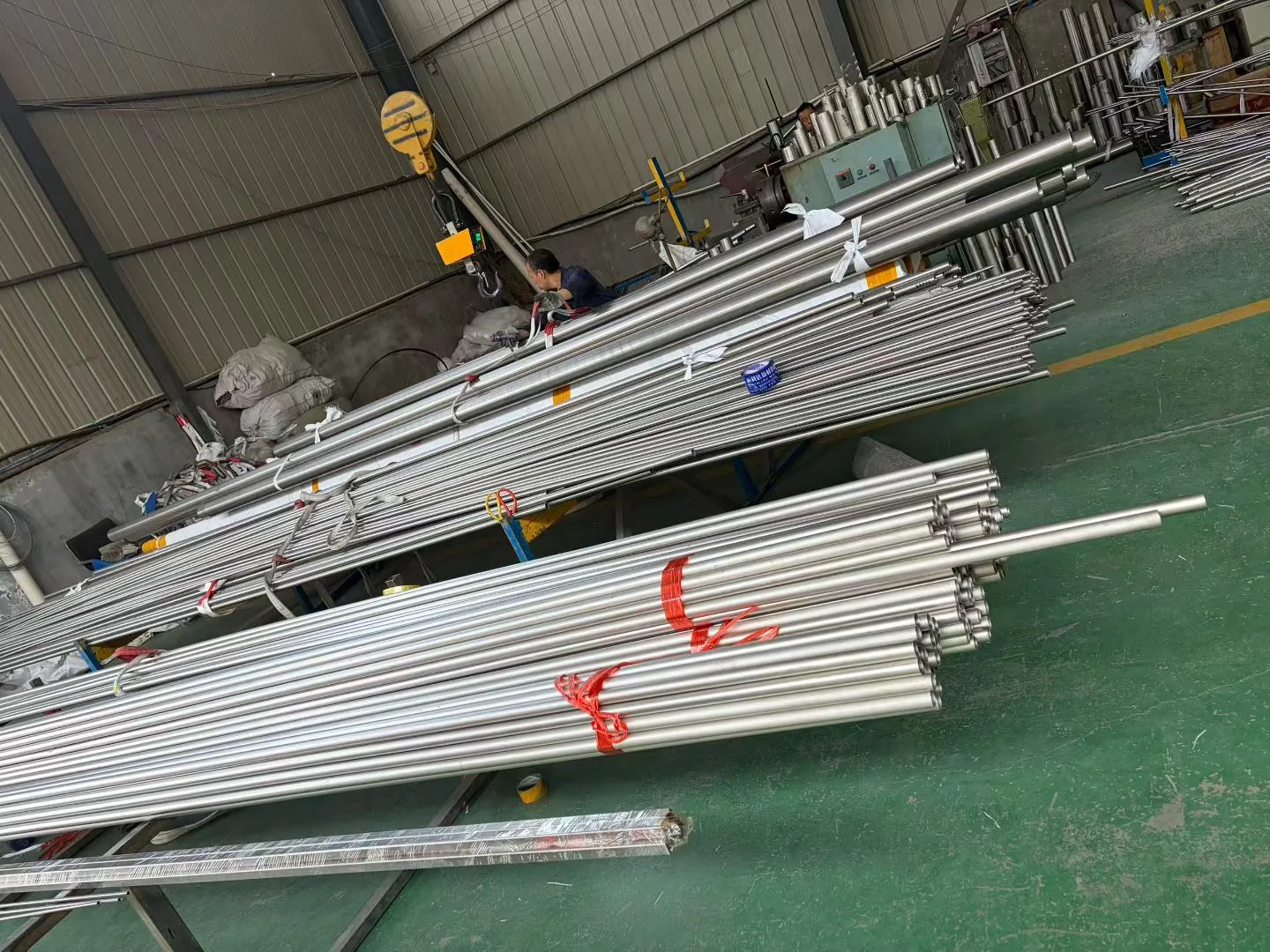
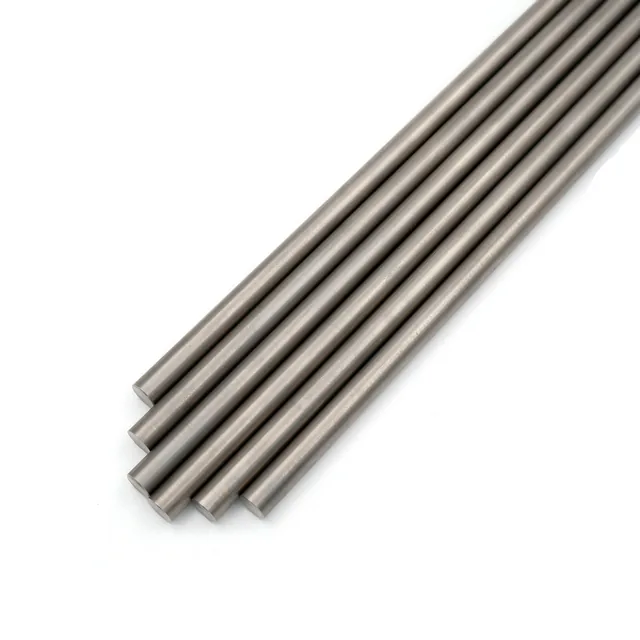
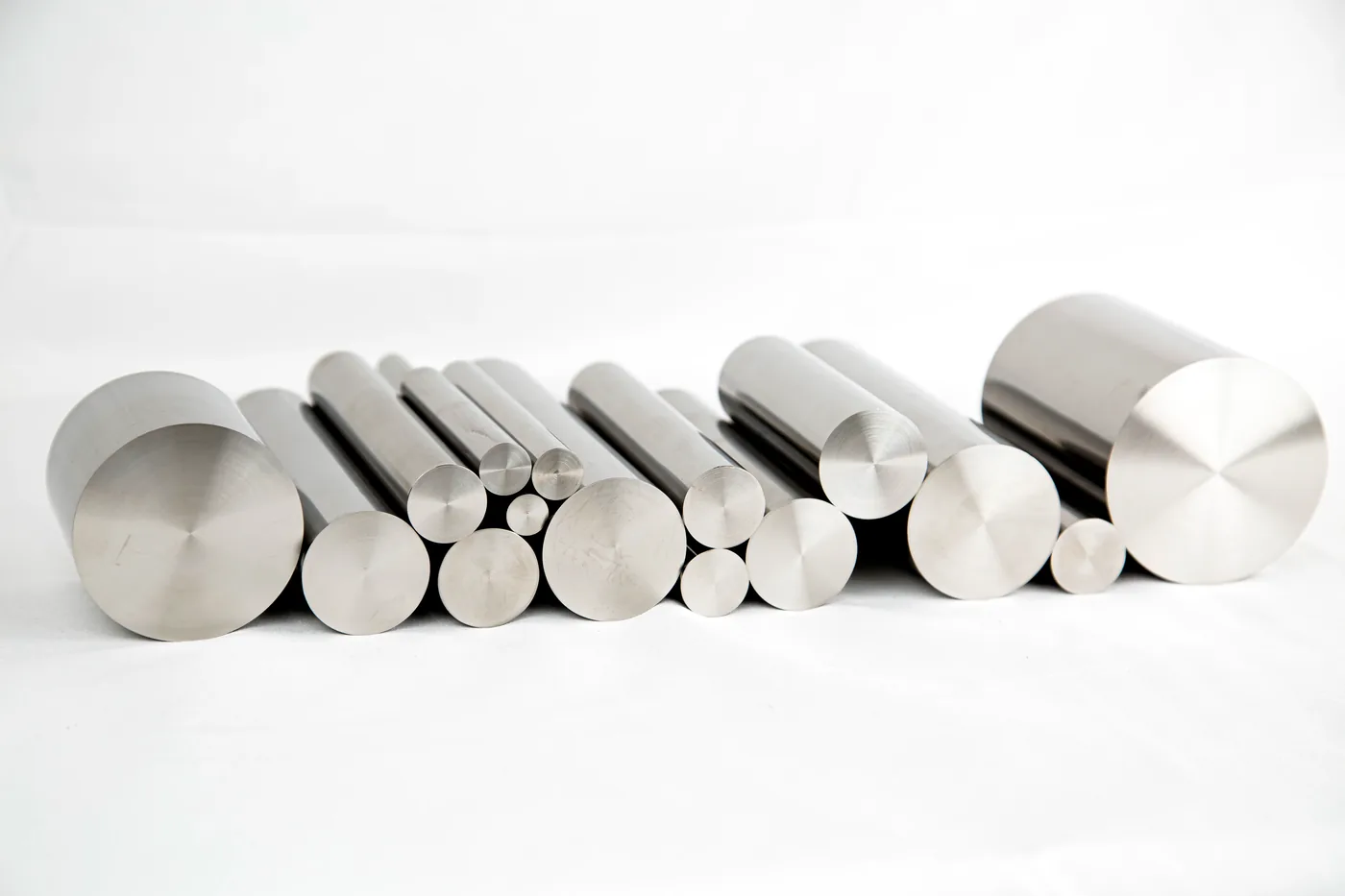
| Round bar & rod | φ3 – φ350 mm; forged bar to φ500 mm | Bar & rod |
| Plate & sheet | per ASTM B265; AMS 4911 referenced for aerospace work | Plate & sheet |
| Forgings & rings | machined to drawing | Forgings & rings |
| Machined parts | CNC to drawing including STEP and DWG | Machined parts |
| Fasteners | bolts, screws and threaded rod | Fasteners |
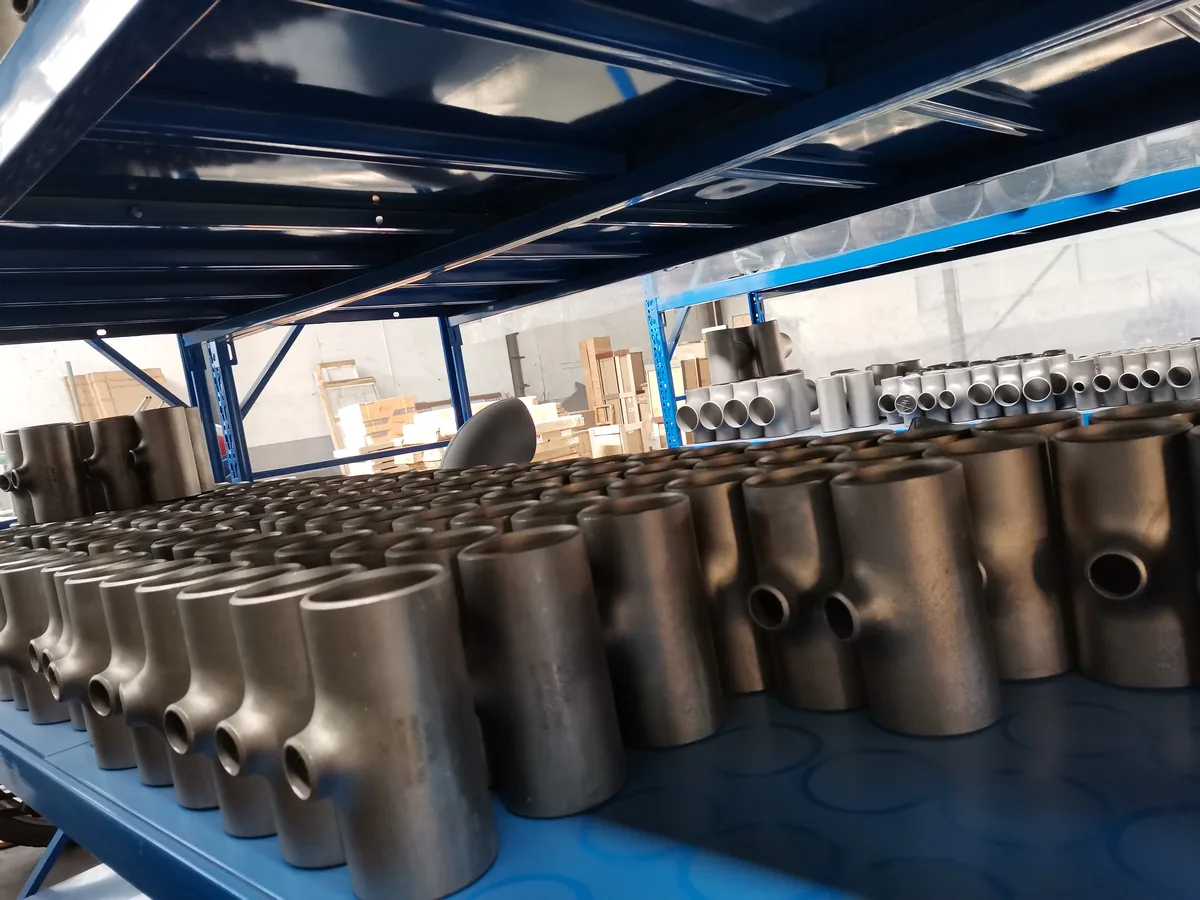
Availability, size range and lead time for a specific grade and form are confirmed in the quotation — please contact us for confirmation.
Grade 5 compared with its two neighbours
Against Grade 2 the comparison is strength versus cost and formability — see the Grade 2 vs Grade 5 comparison. Against Grade 23 the difference is interstitial control: Grade 23 permits tighter oxygen and iron and is specified where fracture toughness or low-temperature service governs, covered on the Grade 23 page.
Aerospace and medical context
Aerospace and medical implant work both reference Grade 5 heavily, and both are worth being precise about. The material specifications involved — AMS 4928 for aerospace bar, AMS 4911 for sheet and plate, ASTM F136 for wrought Ti-6Al-4V ELI for implants — are published material specifications, and we quote against whichever one your drawing names.
Machining Grade 5? Send diameter, length, condition (annealed or STA) and quantity — we will quote against the standard you specify.
WhatsAppSend your specificationRequest Grade 5 titanium
Bar, plate, forging or machined part: tell us the form, dimensions, required condition, standard and quantity. Including the condition on the first enquiry avoids a round of clarification.
WhatsApp +86 157 0603 0959 · WhatsApp +86 151 9196 1431 · tockson@163.com